
Grand Tour of Japan
Getting involved in making and tasting our own delicious Japanese specialities, including filled oyaki flour buns, crisp okonomiyaki pancakes, and udon noodles. Walking in the footsteps of Japan’s past along the Old Tōkaidō Road and Nakasendo Trail, amongst the oldest routes in the country.
Japan is a melting pot of experiences and this grand tour promises to serve up a three-week adventure like no other. From rural history, revered castles and ancient pathways to big cities, skyscraping towers and high-speed trains – we’ll see them all, not forgetting landscaped gardens, steaming volcanoes and bathing snow monkeys. We’ll discover hope in Hiroshima and Nagasaki, and visit Japan’s spiritual heart at Mount Koya, all the while immersing ourselves in the country’s cuisine, culture and art.
Multiple Depatures – Book by 28 Feb 2026 & Save 15%
Below price is for Mar & Oct 2026 departures
- From
$14,312$12,165 per person twin share* - From
$17,811$15,139 per person, sole traveller*
Call our team today to find out more on 1300 414 198. Our team can also assist with booking International flights and accommodation as part of your overall travel plans.
Please note: prices are subject to availability at the time of booking and may change or be withdrawn at any time without notice.
Itinerary
Day 1 – Tokyo
Join your tour group at the hotel.
Day 2 – Tokyo
Our grand adventure in Japan begins with a full day’s sightseeing in the capital. Buzzing with futuristic technology and skyscrapers, this fast-paced city has a slower side too, coupled with a rich history. We’ll stop at the moated Imperial Palace Plaza surrounded by lovely gardens, before passing the modern commercial district on our way to Sensō-ji Temple. This striking red temple dedicated to a Buddhist deity, Kannon, is Tokyo’s oldest. Hungry after a busy morning, we’ll eat lunch like the locals from a Bento box, followed by a spot of shopping in Tokyo’s colourful and atmospheric open-air market – Ameyoko. We end our day in Hamarikyu Gardens, a tranquil oasis amid a bustling forest of skyscrapers.
Day 3 – Hakone
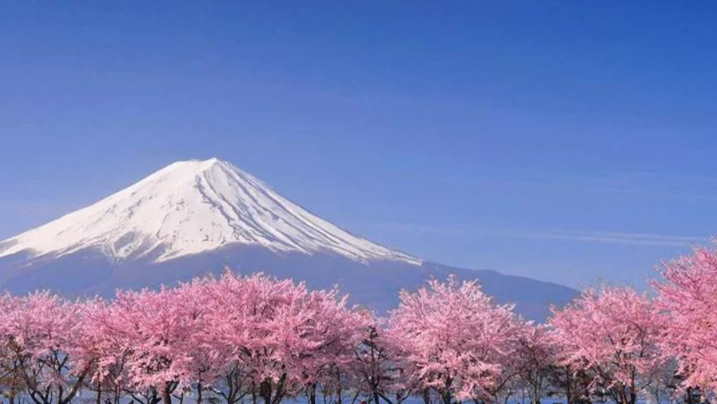
Southwest of Tokyo is Hakone. Its tranquil crater lakes, snow-capped peaks, and soothing onsen might lead you to forget that it’s a place forged by the drama of a volcano. We’ll drive to the Owakudani Valley to see at first hand its steaming rivers and bubbling hot springs and get a bird’s-eye view of the area from the Hakone Ropeway, a cable car that takes us from Owakudani to Sounzan. If the weather allows, you’ll get views of Mount Fuji too. From small puzzle boxes to coasters and trays, the mosaic inlay woodwork technique of yosegi-zaiku marquetry is a delicate process. It originated here in the Hakone mountains in the Edo period, and we’ll get to experience some of the skills required to produce such charming items. We’ll then follow in the footsteps of ancestors on a guided walking tour along part of the Old Tōkaidō Road, a trail that once served as a route between Tokyo and Kyoto. Smoothed-stone pathways will take us towards deep blue Lake Ashi, breathing in the scent of towering cedars as we wander along an avenue of 370-year-old trees.
Day 4 – Tokyo
Today is free to explore all that Tokyo has to offer. Perhaps head up the Tokyo Skytree, a 634m-high tower with observation decks for excellent views across the city. There are museums, gardens and plenty of eating opportunities to fill your time.
Day 5 – Nagano
We pack overnight bags whilst our luggage is taken to Kyoto, as we’re whisked by bullet train to Nagano. On arrival, we’ll visit the 7th-century Zenkō-ji Temple, a site of pilgrimage and quiet place of contemplation within the city of Nagano. We’ll then head to Jigokudani Monkey Park to say hello to its famous residents, a troop of Japanese macaques who live totally at ease in the presence of visitors, whiling away their time in their very own onsen. A treat awaits later as we get involved in oyaki making. These traditional flour buns stuffed with a variety of fillings are toasted on a hot iron pan, then steamed – a tasty snack that’s crisp on the outside with a pillowy centre.
Day 6 – Nagano – Kyoto
After some free time, we’ll head off the beaten track into rural and historic Japan to stroll around Magome and Tsumago – two enchanting post towns (rest stops) that still exist along the Nakasendo Trail. This route to Kyoto was established during Tokyo’s Edo period and provides a glimpse into a lesser-known side of Japan hidden within an enchanting forest and countryside. We bring ourselves back to the modern day and board the first of two train journeys to Kyoto via Nagoya.
Day 7 – Kyoto
Today promises some real highlights, and we’ll start at Kiyomizu-dera, a UNESCO-listed temple nestled into the Kyoto hills. Founded in 780, close to the tumbling cascades of a waterfall, the name translates as ‘pure water temple’ and from its 13m-high stage we’ll gaze across woodland below. We’ll also stroll along Ninenzaka, an ancient stone road lined with traditional buildings. Kyoto is the birthplace of the traditional tea ceremony, and we’ll enjoy a refreshing first-hand experience in this graceful discipline. A visit to the Gion district next, an area of Kyoto famous for one of Japan’s most iconic sights – the stunning, secretive geisha. To become a geisha, young women must first spend time as an apprentice (maiko), and we’ll take lunch today accompanied by their enchanting dance and conversation. Imagine a temple that glows in the sun, its top two floors covered in gold leaf. This is Kinkaku-j, and we’ll visit this beautiful building in its spectacular setting.
Day 8 – Kyoto
You have a whole day to see more of Kyoto at your own pace. The Kyoto Railway Museum, set in the former Nijo Station, is a must for rail enthusiasts. Or head to Nijo Castle, famous for its nightingale floors that ‘chirp’ underfoot.
Day 9 – Kyoto – Osaka
A stroll through Arashiyama Bamboo Grove is an otherworldly experience as you stand amid soaring stalks of green. We’ll walk through, gazing upwards whilst listening to the rustling. We make our way to Osaka. In your free afternoon, there’s an optional excursion to learn the finer arts of ink making and calligraphy, and head further afield to Nara and its famed park, home to over 1,000 deer. Early evening, we’ll head to the neon-lit world of Dotonbori for an orientation walk of this fascinating part of the city.
Day 10 – Koyasan
We’ll head south of Osaka to the small town of Koyasan on Mount Kōya, the country’s spiritual heart and centre of Shingon Buddhism. We’ll first visit Kongōbu-ji Temple, with rooms lined by gilded and delicately painted sliding doors (fusuma). The temple is protected by the largest rock garden in Japan, representing a pair of dragons emerging from a sea of clouds. After a busy morning, a delicious lunch awaits of traditional Buddhist cuisine – shojin ryori – a vegetarian dining style using seasonal vegetables and simple presentation. We’ll finish the day with a breathtaking visit to Japan’s largest graveyard. Set deep in an ancient forest, the UNESCO-listed Okunoin Cemetery is a 2km spectacle of tombstones, statues and the graves of at least 20,000 monks.
Day 11 – Takamatsu
As we approach Himeji Castle this morning, it’s hard not to be stunned by its elegance and beauty. Sitting atop a hill, its many white tiers are a sight to see, and it’s easy to see why it has been protected by UNESCO. We’ll then leave Japan’s largest island of Honshu for the much smaller island of Shikoku. Arriving in Takamatsu, we’ll have a fun lesson in udon noodle making, from creating the dough to rolling and cutting into strips – you’ll be all set for making your own back home! The rest of the afternoon will be spent in the tranquillity of historic Ritsurin Garden’s lakes, bridges and scented flowers – it’s a place of contemplation that’s been here since the late 16th century.
Day 12 – Naoshima
We visit Japan’s unique art island, Naoshima, for a tour of fascinating art installations, including Benesse House. This contemporary art museum with indoor and outdoor displays will have you wandering the grounds seeking out different works – you’ll easily spot the bright yellow spotted pumpkin. We’ll also stroll around older preserved areas of the island, Art House projects and Miyaura Port.
Day 13 – Okayama – Hiroshima
We’ll return to the main island via the world’s longest double-decked bridge system – the spectacular Great Seto Bridge. In Okayama, we’ll visit Kōraku-en, exquisite gardens of pretty bridges, waterfalls and traditional buildings, and you’ll also spy the striking Okayama Castle. After a stroll around historic riverside Kurashiki, we’ll head to Saijo for a tasting experience of sak,e rice wine, Japan’s national drink. Sake from Saijo is recognised as some of the best. We’ll continue to Hiroshima.
Day 14 – Hiroshima
We’ll visit Miyajima Island’s Itsukushima Shrine with its colossal torii gate, magically floating at high tide. There’s no doubt that Hiroshima has a formidable past. Its people mark it with honour, respect, and to promote peace. We’ll take a tour and then experience its great food culture, making our okonomiyaki – a delicious savoury pancake and a local speciality. After learning some tips and tricks, we’ll be sure to taste them. A poignant guided walking tour follows through Hiroshima’s Peace Memorial Park and Museum. An area of green space that now serves as a memorial to all the victims of the world’s first atomic bomb.
Day 15 – Beppu – Aso
Packing our overnight bags for two nights whilst our luggage is taken to Nagasaki, we board a bullet train and express train to Kyushu Island. On arrival in Beppu, we’ll join a hell tour and despite the name, we’re in for a mesmerising afternoon. Beppu is known for its hot springs and onsen, but some of its hot springs are not for bathing. Known as hells (jigoku), they’re spectacular steaming ponds, bubbling pools of mud and volcanic mineral mixtures that create unexpected colours of blue and red, giving rise to names such as sea hell and blood pond hell. We continue to Aso and check into our hotel, where we’ll stay in a traditional Japanese ryokan-style room and futon beds, with time to relax in the hotel’s onsen. We’ll spend the evening enjoying a traditional kaiseki dinner.
Day 16 – Aso – Kumamoto
Among the largest active volcanoes in the world, Mount Aso’s caldera reaches up to 25km across. We’ll visit the Volcano Museum and take a guided walking tour to the Kusasenri plateau of emerald green grasses. We visit Suizenji Garden, where we can return to the Old Tōkaidō Road in miniature form – the gardens here reproduce the 53 post stations found along the road, complete with Mount Fuji. After a stop to view the hilltop Kumamoto Castle, we’ll head to our hotel and check in before an orientation walk around Kumamoto, stopping at Kumamoto Food Village.
Day 17 – Nagasaki
Three days after the atomic bomb was dropped on Hiroshima, Nagasaki was also bombed, but the city defiantly promotes peace too and is today a vibrant port city with many international influences, some centuries old. We reach Nagasaki by ferry and visit the man-made island of Dejima. Built in the 17th century and a former Dutch trading station, there are charming historical buildings to see, including houses, warehouses and gates. Next, we’ll spend some time at the Nagasaki Museum of History and Culture, then the rest of the day is free.
Day 18 – Nagasaki
We’ll spend a sombre morning at the Nagasaki Peace Park and its Memorial Museum. There are places for reflection or places to gain further knowledge on the events of 1945. Later, we’ll continue to Glover Garden. Foreign merchants settled in Nagasaki in the 19th century, and it’s a serene open-air museum of their relocated mansions, including the home of the Scottish merchant Thomas Glover, who settled here in 1859. We’ll also visit Ōura Church, built in 1864 and thought to be the oldest Christian church in Japan. The afternoon is free.
Day 19 – Dazaifu – Fukuoka
From the 7th century, historic Dazaifu was the centre of administration for Kyushu. Now a quieter city on the edge of Fukuoka, it’s home to Dazaifu Tenmangu Shrine – a sanctuary for learning, culture and the arts, where students hang good luck (ema) charms. 6,000 plum trees bloom in February and March in a breathtaking display. From historic temples to futuristic modern structures, the huge glass Kyushu National Museum is a short walk away. Through the interactive exhibits, we’ll learn more about Japanese culture and history. We’ll head to Fukuoka for a guided walking tour in the city’s entertainment district, Nakasu, before heading for the skies at Fukuoka Tower to see the city from its 123-metre-high observation deck.
Day 20 – Fukuoka
Say goodbye to your tour group for your onward travel.
Highlights
- Nagasaki Peace Park & Memorial Museum
- Enjoy an Exclusive 15% Savings
- Sightseeing tour of Hiroshima
Getting involved in making and tasting our own delicious Japanese specialities, including filled oyaki flour buns, crisp okonomiyaki pancakes, and udon noodles. Walking in the footsteps of Japan’s past along the Old Tōkaidō Road and Nakasendo Trail, amongst the oldest routes in the country.
Japan is a melting pot of experiences and this grand tour promises to serve up a three-week adventure like no other. From rural history, revered castles and ancient pathways to big cities, skyscraping towers and high-speed trains – we’ll see them all, not forgetting landscaped gardens, steaming volcanoes and bathing snow monkeys. We’ll discover hope in Hiroshima and Nagasaki, and visit Japan’s spiritual heart at Mount Koya, all the while immersing ourselves in the country’s cuisine, culture and art.
Inclusions
- 28 Meals – 19 breakfasts, 7 lunches, 2 dinners
- 19 nights in hotels
- Transport – Travel To Destination By Coach
- Headset system on excursions
28 Excursions & Visits
- Guided tour of Tokyo (Sensō-ji Temple; Hamarikyu Gardens)
- Excursion to Hakone (Owakudani Valley; Hakone Ropeway; Old Tōkaidō Road)
- Visit to Jigokudani Monkey Park
- Visit to Zenkō-ji Temple
- Excursion to the Nakasendo Trail
- Guided tour of Kyoto (Kiyomizu-dera, Gion district; Kinkaku-ji)
- Visit to Arashiyama Bamboo Grove
- Orientation walk of Dotonbori
- Excursion to Koyasan (Kongōbu-ji Temple; Okunoin Cemetery)
- Excursion to Naoshima Island
- Visit to Kōraku-en Garden
- Sightseeing tour in Hiroshima (Miyajima Island & Peace Memorial Park and Museum)
- Beppu hell tour
- Guided walking tour in Aso
- Kumamoto sightseeing (Suizenji Garden, Kumamoto Castle photo stop, orientation walk with Kumamoto Food Village)
- Four excursions in Nagasaki (Nagasaki Museum of History and Culture; Dejima; Nagasaki Peace Park and Memorial Museum; Glover Garden and Ōura Church)
- Dazaifu Tenmangu Shrine
- Excursions in Fukuoka (Kyushu National Museum; Nakasu; Fukuoka Tower)
- Yosegi zaiku marquetry experience; oyaki making experience; lunch with maiko; traditional tea ceremony; shojin ryori meal; sake tasting; okonomiyaki making experience; traditional kaiseki dinner; farewell dinner at an izakaya with unlimited drinks
- Three journeys on the bullet train
Exclusions
- Airfares & Travel Insurance
FAQs
- Keio Plaza Hotel, Tokyo (4 Nights)
- Hotel Metropolitan Nagano
- Kyoto Hotel Okura (3 Nights)
- Osaka Excel Hotel Tokyu (2 Nights)
- Rihga Hotel Zest Takamatsu (2 Nights)
- Rihga Royal Hotel Hiroshima (2 Nights)
- Aso Plaza Hotel
- Kumamoto Hotel Castle
- Hotel New Nagasaki (2 Nights)
- Hakata Excel Hotel Tokyu